3D corrective spinal orthosis (scoliosis)
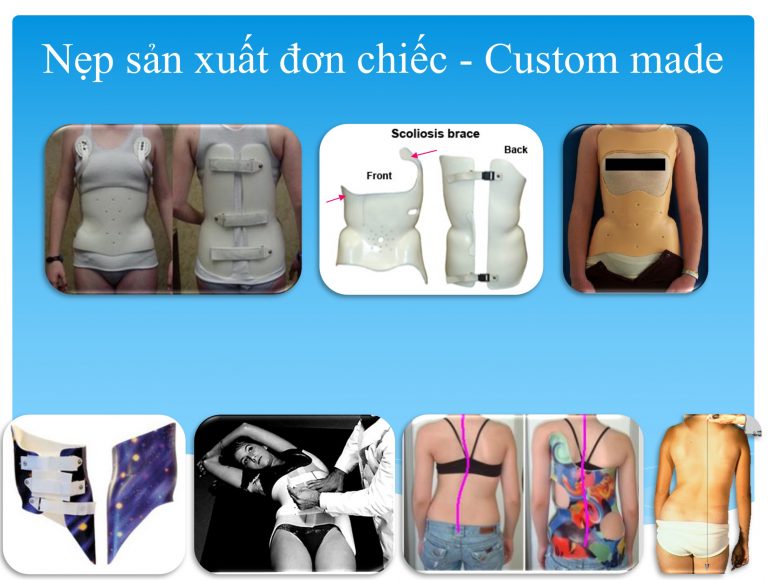
A brace designed on a three-plane correction principle, 3D-scanned and CAD/CAM-milled, with up to 83% correction when detected early.
Indications
- Adolescent idiopathic scoliosis, Cobb angle 20–45°
- Remaining growth potential (Risser 0–3)
- Postural kyphosis and Scheuermann's disease
- Temporary immobilisation after surgery
Key features
- 3D body scan, no plaster casting
- Push-and-void design across three planes
- Thin, ventilated thermoformed shell hidden under clothing
- In-brace X-ray monitoring and periodic adjustment
- Weaning plan based on skeletal maturity
Scoliosis is a three-dimensional deformity: lateral curvature, vertebral rotation and changes in the natural front-to-back curves. An effective brace must act in all three planes, not just squeeze sideways.
We 3D-scan the torso to build a digital model, then design pressure points at the curve apex with matching voids opposite so the spine has room to move the right way. The shell is CAD/CAM-milled, thin, heavily ventilated and can be worn discreetly under a school uniform.
Outcome depends on timing: detected while the Cobb angle is small and growth remains, correction potential is highest — up to 83% in some cases. Wear is 16–23 hours per day depending on the prescription.
Follow-up includes an in-brace X-ray to verify corrective force, re-measurement every 3–6 months, adjustment or a new brace as the child grows, and a structured plan to reduce wear time once the skeleton matures.
Related solutions
 KAFO
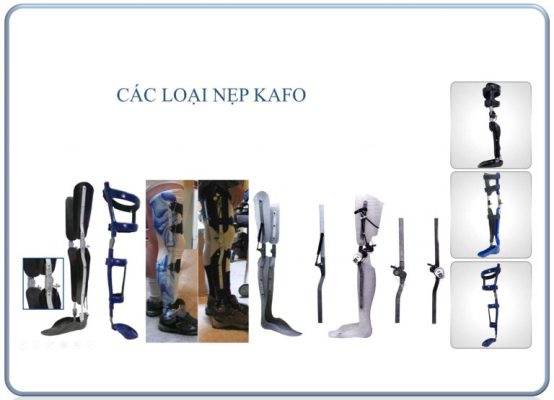
KAFO Knee-ankle-foot (KAFO) & hip-KAFO (HKAFO) orthoses
Long braces that also control the knee when the quadriceps is weak or the knee is unstable; the HKAFO extends to the pelvis for paraplegia.
Knee-ankle-foot (KAFO) & hip-KAFO (HKAFO) orthoses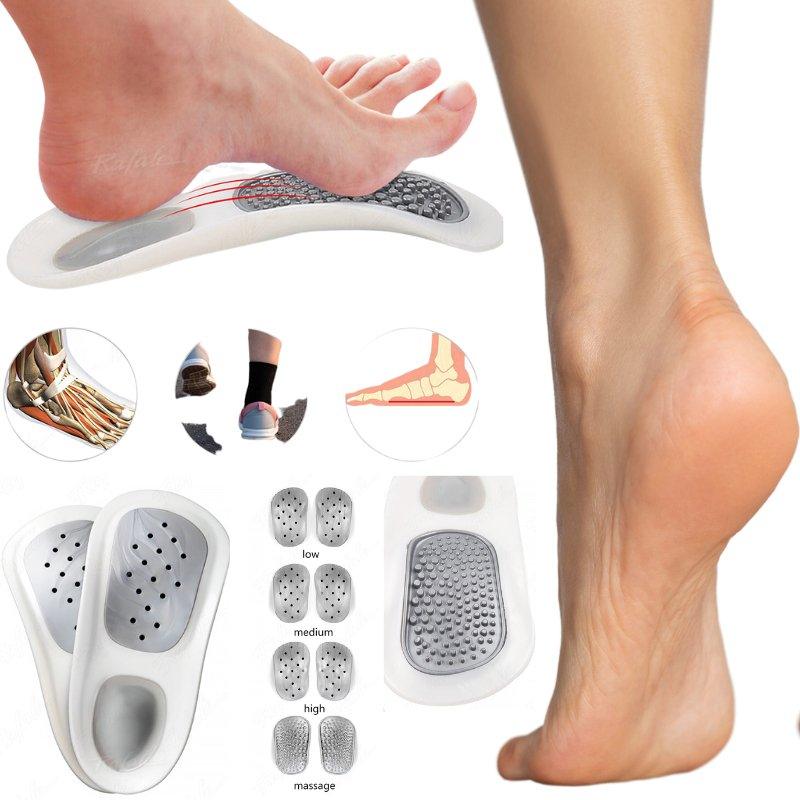 FO
FO Foot orthoses & flat-foot management
Custom insoles moulded to the foot that support the arch and correct heel–foot alignment to relieve pain and improve gait in children and adults.
Foot orthoses & flat-foot managementDo you or a loved one need advice?
Book an in-person assessment in Hanoi or send your file for a remote consultation. We reply within 24 hours.