Prosthetic limbs
Practical Experience for Fitting a High-Quality Prosthetic Leg
Fitting a high-quality prosthetic leg requires real-world experience to ensure a lasting, safe, comfortable fit. Learn the key preparation steps, how to choose a provider, and the fitting process.

A prosthetic leg is an orthopedic device designed to replace the function of a partially or fully lost leg due to accident, illness, or congenital disability, helping the user regain mobility and improve quality of life. Not everyone can be fitted with a prosthetic leg immediately after amputation, since this depends on factors such as soft-tissue condition, pain level, skin condition, remaining range of motion, and individual goals - so a specific examination is needed for a physician to advise on the most suitable timing.
Experience in fitting a high-quality prosthetic leg matters on several fronts: ensuring a proper, comfortable fit through a technician's precise design of the socket, avoiding excessive pressure on sensitive points; optimizing movement function by correctly aligning angles, height, and component positions to recreate a natural gait; understanding individual needs to recommend the right type of leg for the person's lifestyle and goals; minimizing risks and complications such as skin ulcers, residual-limb infection, or back pain from body imbalance; and saving time and cost in the long run through an accurate fitting process from the start.
Important practical experience when fitting a high-quality prosthetic leg includes: researching and choosing a reputable provider with an experienced team of specialists using components from well-known brands such as Ossur, Endolite, or Ottobock; preparing the body and residual limb through physical therapy to reduce swelling, improve circulation, and prevent joint stiffness after amputation surgery (usually needing 6-10 weeks or longer); and choosing suitable materials and technology such as carbon fiber, titanium, or hydraulic/pneumatic knee joints depending on needs and budget.
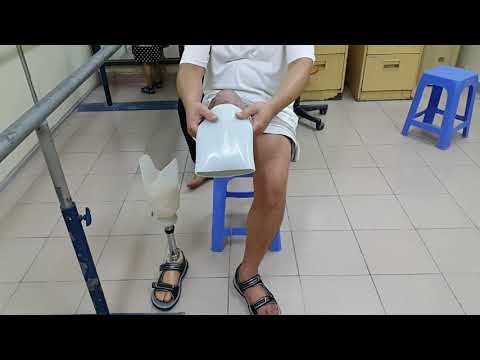
The fitting process should be carried out meticulously through several stages: measuring and testing the socket multiple times to ensure a snug, pain-free fit; assessing gait after fitting a temporary leg and fine-tuning it for optimal biomechanical efficiency; and finalizing the prosthesis only once the user feels comfortable and confident. After fitting, the user should undergo physical therapy to become accustomed to moving with the leg - typically starting with parallel bars before moving to independent walking - and should have periodic maintenance and check-ups every 3-6 months.
The cost of a premium prosthetic leg typically ranges from tens to hundreds of millions of VND depending on material and technology - users should weigh a reasonable budget without sacrificing quality for long-term comfort, and may also consider the cosmetic aspect if a natural appearance matters to them.
Videos from the Lê Hoàn YouTube channel

Related solutions

Hip Disarticulation Prosthesis
A hip disarticulation prosthesis restores mobility for people who have lost their entire lower limb from the hip joint, using modern socket design to rebuild standing and walking ability.
Hip Disarticulation Prosthesis
Fitting an Ankle Disarticulation Prosthesis
An ankle disarticulation prosthesis serves the lowest amputation level of the leg, preserving maximum natural weight-bearing function. Learn the fitting process and who needs this type of prosthesis.
Fitting an Ankle Disarticulation Prosthesis
A Trusted, Quality Address for Premium Prosthetic Legs
What a premium prosthetic leg is, the benefits it offers users, and why Lê Hoàn Orthotic Devices is a trusted choice for premium prosthetics.
A Trusted, Quality Address for Premium Prosthetic LegsDo you or a loved one need advice?
Book an in-person assessment in Hanoi or send your file for a remote consultation. We reply within 24 hours.