Prosthetic limbs
How Above-Knee Prosthesis Technology Is Changing Lives
What an above-knee prosthesis is, the practical benefits modern technology offers, and the fabrication process at Lê Hoàn Prosthetics.

An above-knee prosthesis is designed to replace the portion of the leg missing from above the knee, including the thigh and everything below it — intended for those who have undergone above-knee amputation due to accidents, conditions such as diabetes or bone cancer, or congenital causes. This is a common amputation level, and as orthopedic technology has advanced, above-knee prostheses have steadily improved to better meet users' mobility and cosmetic needs.
The greatest benefit modern above-knee prosthesis technology offers is making movement faster and easier. With durable, resilient materials such as carbon fiber, thermoplastics, aluminum, or titanium, combined with balance-assisting sensor mechanisms in some product lines, users can significantly reduce their risk of tripping while moving. This aligns with what international literature reports on electronically controlled knee joints: according to a systematic review published in Disability and Rehabilitation (2021), microprocessor knee use significantly reduces both fall frequency and fear of falling compared with traditional mechanical knees, a benefit that is particularly meaningful for limited community ambulators.
Beyond mobility function, today's above-knee prostheses are also designed to look attractive and sturdy, using skin-toned finishes that make it hard for an observer to tell a prosthetic leg apart from a natural one — helping users feel more confident and better integrated in both work and daily life. Product lines are also custom-designed for each user, making them easy to remove, adjust, and clean; the prosthesis surface resists dust buildup, simplifying maintenance.
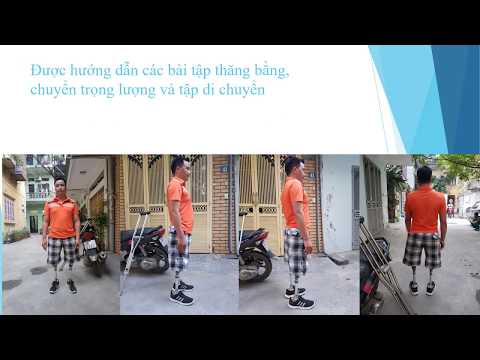
At Lê Hoàn Prosthetics, the fabrication process for an above-knee prosthesis begins with an examination to assess the condition of the residual limb and advice on the most suitable prosthesis type for the customer's needs and budget. Once a plan is agreed upon, the prosthesis is fabricated to the user's exact requirements and measurements; once complete, the customer returns to the clinic for a fitting and receives detailed instruction on gait training as well as how to put on and remove the prosthesis efficiently. Pricing is always posted openly and transparently, backed by a warranty covering exchange or return for any manufacturing defect.
Videos from the Lê Hoàn YouTube channel


Related solutions

Hip Disarticulation Prosthesis
A hip disarticulation prosthesis restores mobility for people who have lost their entire lower limb from the hip joint, using modern socket design to rebuild standing and walking ability.
Hip Disarticulation Prosthesis
Fitting an Ankle Disarticulation Prosthesis
An ankle disarticulation prosthesis serves the lowest amputation level of the leg, preserving maximum natural weight-bearing function. Learn the fitting process and who needs this type of prosthesis.
Fitting an Ankle Disarticulation Prosthesis
A Trusted, Quality Address for Premium Prosthetic Legs
What a premium prosthetic leg is, the benefits it offers users, and why Lê Hoàn Orthotic Devices is a trusted choice for premium prosthetics.
A Trusted, Quality Address for Premium Prosthetic LegsDo you or a loved one need advice?
Book an in-person assessment in Hanoi or send your file for a remote consultation. We reply within 24 hours.