技術ソリューション
義肢技術の進歩:素材・技術・エビデンスの強さ
 Lê Ngọc Hoàn 博士課程在籍 · 修士 · 義肢装具エンジニア — 国際実務資格 CPO – ISPO Category I
この30年で義肢は木・革・金属から、カーボン繊維、シリコーン、マイクロプロセッサ、さらに骨や神経との直接接続へと進歩しました。12の技術について、確かな科学的根拠があるもの、根拠が限られるもの、まだ実験段階のものを整理します。

この30年で義肢は木・革・金属から、カーボン繊維、シリコーン、マイクロプロセッサ制御の継手、さらに骨への直接固定と神経信号による制御へと進歩しました。大切な問いは「どれが最新か」ではなく、「どれが効果を証明されていて、自分に合うか」です。
以下に12の技術の科学的根拠(システマティックレビュー、メタ分析、ランダム化比較試験)をまとめました。PubMedへのリンクは記事の最後にあります。
ポイント
- 比較的確かな根拠:マイクロプロセッサ膝継手(MPK)、標的筋再神経支配術(TMR)。
- 有益だが根拠は限定的:シリコーンライナーと全面接触(TSB)ソケット、能動的真空懸垂、骨直結(オッセオインテグレーション)、動力付き足継手、RPNI、ポリプロピレン義足(ICRC技術)。
- 広く使われるが効果は小さい:カーボンのエネルギー蓄積型(ESR)足部は、SACH足部と比べて歩行エネルギーを約2.7%しか減らしません。
- 有望だがまだ実験段階:3Dプリント・CAD/CAMソケット、神経で制御するバイオニック脚(AMI)、義手の感覚フィードバック。

科学的根拠
- Hahnらのメタ分析(Disabil Rehabil 2022;2,366人、うち活動制限群K2が704人):MPKは転倒(Hedges g −0.59)と転倒恐怖を減らしました。著者はOttobock社の社員です。
- Kuhlmannら(ドイツ、2020):C-Legは転倒による入院を1,000人年あたり134件から20件に減らし、QALYあたり約16,123ユーロ(糖尿病なし)、20,332ユーロ(糖尿病あり)。スウェーデンの65歳以上:KenevoはQALYあたり約11,369ユーロ。
- Gardinerら(10研究のメタ分析、2016):ESR足部の歩行エネルギーはSACH足部の97.3%。
- 動力付き足継手:3〜6°の上り坂でエネルギー5%減少(2018)。ただしランダム化クロスオーバー試験(2021)では全体的な差はありませんでした。
- 骨直結(Kunutsor、2018):歩行と生活の質は改善するが、感染率は1〜77%;ランダム化試験はなし。
- TMR(Dumanian、Ann Surg 2019、28人):1年後の幻肢痛スコアはTMR群で3.2点低下、標準治療群は−0.2点(縦断解析でp = 0.03)。
- AMI(Nature Medicine 2024、7人):最大歩行速度が通常の切断より41%高い。
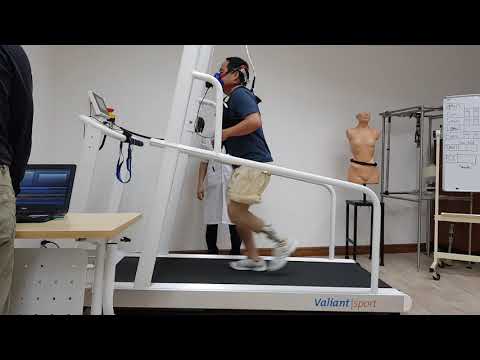
- 当院自身の研究(Leら、J Prosthet Orthot 2021):下腿切断のランナーで、能動的真空により酸素消費が29.2から24.6 mL/kg/分に減少し、ソケットの快適さが33%向上(1症例)。Rink 2016(RCT):断端の酸素化が改善;Rosenblatt 2017:下腿切断者の繰り返す転倒リスクが約75%低下。
まとめ表:効果とエビデンスの強さ
| 技術 | 確認された効果 | エビデンス |
|---|---|---|
| マイクロプロセッサ膝継手 | 転倒と転倒恐怖の減少 | 中 |
| TMR | 幻肢痛の軽減 | 中(小規模RCT 1件) |
| シリコーンライナー+TSB | 懸垂性向上、快適さ | 低〜中 |
| 能動的真空懸垂 | 断端体積の安定、皮膚の健康 | 低〜中 |
| 骨直結 | ソケットより歩行・QOLが良い | 低(RCTなし) |
| カーボンESR足部 | エネルギー約2.7%減 | 中、効果は小 |
| 動力付き足継手 | 上り坂で5%減;個人差あり | 低 |
| マイクロプロセッサ足継手 | 坂道での安定 | 低 |
| RPNI | 神経腫・幻肢痛の減少 | 低 |
| 3Dプリント、CAD/CAM | 速く、個別対応 | 低 |
| ポリプロピレン(ICRC) | 安価で丈夫 | 低〜中 |
| AMIバイオニック脚 | 健常者に近い歩行速度 | 非常に低(7人) |
実践的なアドバイス
- まず基本から:よく合うソケット、適切なライナー、正しいアライメント、歩行訓練。
- ポリプロピレン義足は予算が限られる場合の妥当な選択です。
- 転倒リスクの高い大腿切断者にはMPKを検討する価値があり、主な利点は安全性です。
- 神経痛のリスクがある場合は、切断前に外科医とTMRやRPNIについて相談しましょう。
- 骨直結、動力付き足継手、AMIは専門センターで選ばれた症例のみが対象です。
Lê Hoàn YouTubeチャンネルの動画




ご本人やご家族が新しい義肢や交換をお考えの場合は、直接の診察とご相談のためにご連絡ください:+84 985 211 888(電話 / Zalo)。
参考文献
- Hahn A, Bueschges S, Prager M, Kannenberg A. The effect of microprocessor controlled exo-prosthetic knees on limited community ambulators: systematic review and meta-analysis. Disabil Rehabil. 2022;44(24):7349–7367. PMID: 34694952.
- Stevens PM, Wurdeman SR. Prosthetic knee selection for individuals with unilateral transfemoral amputation: a clinical practice guideline. J Prosthet Orthot. 2019. PMID: 30662248.
- Kuhlmann A, Krüger H, Seidinger S, Hahn A. Cost-effectiveness and budget impact of the microprocessor-controlled knee C-Leg in transfemoral amputees with and without diabetes mellitus. Eur J Health Econ. 2020;21(3):437–449. PMID: 31897813.
- Kuhlmann A, Hagberg K, Kamrad I, et al. The Kenevo microprocessor-controlled prosthetic knee compared with non-microprocessor-controlled knees in individuals older than 65 years in Sweden. Prosthet Orthot Int. 2022;46(5):414–424. PMID: 35511441.
- Chen C, Hanson M, Chaturvedi R, et al. Economic benefits of microprocessor controlled prosthetic knees: a modeling study. J Neuroeng Rehabil. 2018. PMID: 30255802.
- Gardiner J, Bari AZ, Howard D, Kenney L. Transtibial amputee gait efficiency: energy storage and return versus solid ankle cushioned heel prosthetic feet. J Rehabil Res Dev. 2016;53(6):1133–1138. PMID: 28355033.
- Vanicek N, Huang C, Davie-Smith FC, et al. Prescription of prosthetic ankle-foot mechanisms after major lower limb amputation (protocol). Cochrane Database Syst Rev. 2025;8:CD016076. PMID: 40856180.
- Montgomery JR, Grabowski AM. Use of a powered ankle-foot prosthesis reduces the metabolic cost of uphill walking and improves leg work symmetry in people with transtibial amputations. J R Soc Interface. 2018;15(145):20180442. PMID: 30158189.
- Kim J, Wensman J, Colabianchi N, Gates DH. The influence of powered prostheses on user perspectives, metabolics, and activity: a randomized crossover trial. J Neuroeng Rehabil. 2021;18(1):49. PMID: 33726802.
- Safari MR, Meier MR. Systematic review of effects of current transtibial prosthetic socket designs – Part 1: Qualitative outcomes. J Rehabil Res Dev. 2015;52(5):491–508. PMID: 26436666.
- Safari MR, Meier MR. Systematic review of effects of current transtibial prosthetic socket designs – Part 2: Quantitative outcomes. J Rehabil Res Dev. 2015;52(5):509–526. PMID: 26436733.
- Le H, Guerra G, Sasaki K, Phongphibool S, Smith JD, Wongpanya J, Rakbanboong T, Siriwatsopon J. Oxygen consumption and speed performance of a runner with amputation wearing an elevated vacuum running prosthesis (case report). J Prosthet Orthot. 2021;33(1):73–79.
- Rink C, Wernke MM, Powell HM, et al. Elevated vacuum suspension preserves residual-limb skin health in people with lower-limb amputation: randomized clinical trial. J Rehabil Res Dev. 2016;53(6):1121–1132. PMID: 28355039.
- Rosenblatt NJ, Ehrhardt T. The effect of vacuum assisted socket suspension on prospective, community-based falls by users of lower limb prostheses. Gait Posture. 2017;55:100–104. PMID: 28433866.
- Samitier CB, Guirao L, Costea M, Camós JM, Pleguezuelos E. The benefits of using a vacuum-assisted socket system to improve balance and gait in elderly transtibial amputees. Prosthet Orthot Int. 2016;40(1):83–88.
- CADTH. Elevated vacuum suspension systems for adults with amputation: clinical effectiveness, cost-effectiveness, and guidelines. Rapid Response Report, 2020.
- Baars ECT, Geertzen JHB. Literature review of the possible advantages of silicon liner socket use in trans-tibial prostheses. Prosthet Orthot Int. 2005;29:27–37.
- User experience of transtibial prosthetic liners: a systematic review. Prosthet Orthot Int. 2017;41(1). PMID: 26932981.
- 3D printed transtibial prosthetic sockets: a systematic review. PLoS One. 2022;17(10):e0275161. PMID: 36215238.
- Jensen JS, Nilsen R, Thanh NH, Saldana A, Hartz C. Quality of polypropylene sockets for trans-tibial prostheses in low-income countries. Prosthet Orthot Int. 2006;30(1):45–59. PMID: 16739781.
- Efficacy of rehabilitation after provision of ICRC lower limb prostheses in low-income and middle-income countries. Prosthet Orthot Int. 2024. PMID: 37870366.
- Kunutsor SK, Gillatt D, Blom AW. Systematic review of the safety and efficacy of osseointegration prosthesis after limb amputation. Br J Surg. 2018;105(13):1731–1741. PMID: 30307036.
- Banducci E, Al Muderis M, Lu W, Bested SR. The safety of one-stage versus two-stage approach to osseointegrated prosthesis for limb amputation. Bone Jt Open. 2023;4(7):539–550. PMID: 37475711.
- Consensus statement on the prevention, diagnosis, and management of infection following transcutaneous osseointegration. OTA Int. 2025. PMID: 40071170.
- Dumanian GA, Potter BK, Mioton LM, et al. Targeted muscle reinnervation treats neuroma and phantom pain in major limb amputees: a randomized clinical trial. Ann Surg. 2019;270(2):238–246. PMID: 30371518.
- Valerio IL, Dumanian GA, Jordan SW, et al. Preemptive treatment of phantom and residual limb pain with targeted muscle reinnervation at the time of major limb amputation. J Am Coll Surg. 2019. PMID: 30634038.
- Prophylactic regenerative peripheral nerve interfaces for prevention of postamputation pain: a systematic review and meta-analysis. J Clin Med. 2026. PMID: 42590062.
- Song H, Hsieh TH, Yeon SH, et al. Continuous neural control of a bionic limb restores biomimetic gait after amputation. Nat Med. 2024;30(7):2010–2019. PMID: 38951635.
- Technological advances in prosthesis design and rehabilitation following upper extremity limb loss. Curr Rev Musculoskelet Med. 2020. PMID: 32488625.
- Applications of sensory feedback in motorized upper extremity prosthesis: a review. Expert Rev Med Devices. 2014;11(5):499–511. PMID: 24928327.
関連ソリューション

受動式と能動式のバキュームソケット:何が違うのか
義肢ソケットの2つのバキューム懸垂技術、受動式の一方向バルブと電子制御の能動式ポンプを比較し、使用者が適切なソリューションを選べるよう解説します。
受動式と能動式のバキュームソケット:何が違うのか
マイクロプロセッサ膝継手の5つ以上のメリット
マイクロプロセッサ膝継手は、センサーとプロセッサを統合して自然な動きを模倣し、安全性を高め、転倒リスクを減らします。構造と5つ以上の主な利点を、臨床的根拠とともに紹介します。
マイクロプロセッサ膝継手の5つ以上のメリット
油圧制御式義足膝継手の4つ以上のメリット
油圧式の義足膝継手は、より自然な歩行とでこぼこした地形での安定性を提供し、マイクロプロセッサ・油圧膝の技術に関する研究によれば、転倒と転倒への恐怖感が測定可能な形で減少します。
油圧制御式義足膝継手の4つ以上のメリットご本人やご家族に相談が必要ですか?
ハノイでの来院評価を予約いただくか、資料をお送りいただければリモート相談も可能です。24時間以内にご返信します。