기술 솔루션
의지(의족·의수) 기술의 발전: 소재, 기법, 그리고 근거 수준
 Lê Ngọc Hoàn 박사과정 · 석사 · 의지·보조기 공학 엔지니어 — 국제 개업 자격 CPO – ISPO Category I
지난 30년간 의지는 나무·가죽·금속에서 탄소섬유, 실리콘, 마이크로프로세서, 뼈와 신경과의 직접 연결로 발전했습니다. 12가지 기술 중 어떤 것이 확실한 과학적 근거를 갖고, 어떤 것이 아직 제한적이거나 실험 단계인지 정리했습니다.

지난 30년간 의지는 나무·가죽·금속에서 탄소섬유, 실리콘, 마이크로프로세서 관절, 그리고 뼈에 직접 고정하고 신경 신호로 조절하는 단계까지 발전했습니다. 올바른 질문은 "무엇이 가장 최신인가?"가 아니라 "무엇이 효과가 입증되었고 나에게 맞는가?"입니다.
아래는 12가지 기술에 대한 과학적 근거(체계적 문헌고찰, 메타분석, 무작위 대조시험)를 요약한 것이며, PubMed 링크는 글 끝에 있습니다.
핵심 요약
- 비교적 확실한 근거: 마이크로프로세서 무릎(MPK), 표적 근육 재신경화술(TMR).
- 유익하나 근거 제한적: 실리콘 라이너와 전면접촉(TSB) 소켓, 능동 진공 현수, 골유착(osseointegration), 동력 발목, RPNI, 폴리프로필렌 의지(ICRC 기술).
- 널리 쓰이지만 효과는 작음: 탄소 ESR 발은 SACH 발에 비해 보행 에너지를 약 2.7%만 줄입니다.
- 유망하나 실험 단계: 3D 프린팅·CAD/CAM 소켓, 신경으로 조절하는 바이오닉 다리(AMI), 의수의 감각 피드백.

과학적 근거
- Hahn 등 메타분석(Disabil Rehabil 2022; 2,366명, 그중 활동 제한군 K2 704명): MPK는 낙상(Hedges g −0.59)과 낙상 공포를 줄였습니다. 저자들은 Ottobock 소속입니다.
- Kuhlmann 등(독일, 2020): C-Leg는 낙상 관련 입원을 1,000인년당 134건에서 20건으로 줄이며, QALY당 약 16,123유로(당뇨 없음)와 20,332유로(당뇨 있음). 스웨덴 65세 이상: Kenevo QALY당 약 11,369유로.
- Gardiner 등(10개 연구 메타분석, 2016): ESR 발의 보행 에너지는 SACH 발의 97.3%.
- 동력 발목: 3–6° 오르막에서 에너지 5% 감소(2018). 그러나 무작위 교차시험(2021)에서는 전체적 차이가 없었습니다.
- 골유착(Kunutsor, 2018): 보행과 삶의 질 향상, 그러나 감염률 1–77%; 무작위 시험 없음.
- TMR(Dumanian, Ann Surg 2019, 28명): 1년 후 환상통 점수가 TMR군 3.2점 감소, 표준치료군 −0.2점(종단 분석 p = 0.03).
- AMI(Nature Medicine 2024, 7명): 최대 보행 속도가 일반 절단자보다 41% 높았습니다.
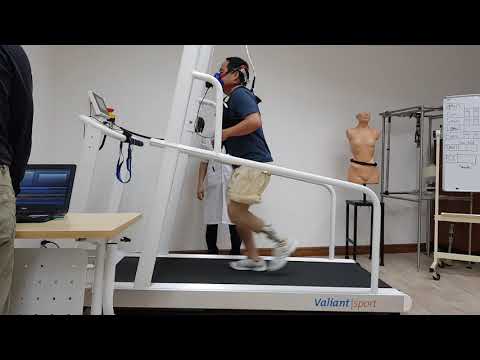
- 클리닉 자체 연구(Le 등, J Prosthet Orthot 2021): 무릎 아래 절단 달리기 선수에서 능동 진공으로 산소 소비가 29.2에서 24.6 mL/kg/분으로 줄고 소켓 편안함이 33% 향상(단일 사례). Rink 2016(RCT): 절단단 산소화 개선; Rosenblatt 2017: 무릎 아래 절단자의 반복 낙상 위험 약 75% 감소.
요약표: 효과와 근거 수준
| 기술 | 확인된 효과 | 근거 수준 |
|---|---|---|
| 마이크로프로세서 무릎 | 낙상·낙상 공포 감소 | 중간 |
| TMR | 환상통 감소 | 중간(소규모 RCT 1건) |
| 실리콘 라이너 + TSB | 현수 개선, 편안함 | 낮음–중간 |
| 능동 진공 | 절단단 부피 안정, 피부 건강 | 낮음–중간 |
| 골유착 | 소켓보다 보행·삶의 질 향상 | 낮음(RCT 없음) |
| 탄소 ESR 발 | 에너지 약 2.7% 절감 | 중간, 효과 작음 |
| 동력 발목 | 오르막 에너지 5% 감소; 개인차 | 낮음 |
| 마이크로프로세서 발목 | 경사에서 안정성 | 낮음 |
| RPNI | 신경종·환상통 감소 | 낮음 |
| 3D 프린팅, CAD/CAM | 빠르고 맞춤 가능 | 낮음 |
| 폴리프로필렌(ICRC) | 저렴하고 튼튼함 | 낮음–중간 |
| AMI 바이오닉 다리 | 비절단자에 가까운 속도 | 매우 낮음(7명) |
실천 조언
- 기본이 먼저입니다: 잘 맞는 소켓, 적절한 라이너, 올바른 정렬, 보행 훈련.
- 폴리프로필렌 의지는 예산이 제한된 경우 여전히 합리적인 선택입니다.
- 낙상 위험이 높은 대퇴 절단자에게는 MPK를 고려할 만하며, 주된 이점은 안전입니다.
- 신경통 위험이 있다면 절단 수술 전에 외과의와 TMR 또는 RPNI를 상의하세요.
- 골유착, 동력 발목, AMI는 전문 센터에서 선별된 경우에만 고려합니다.
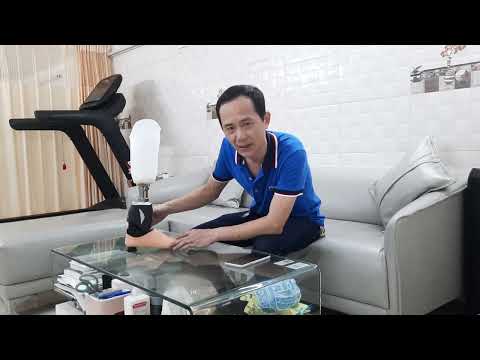
Lê Hoàn YouTube 채널 영상




본인이나 가족이 새 의지 제작이나 교체를 고려하고 있다면 직접 진찰과 상담을 받으세요: +84 985 211 888 (전화 / Zalo).
참고 문헌
- Hahn A, Bueschges S, Prager M, Kannenberg A. The effect of microprocessor controlled exo-prosthetic knees on limited community ambulators: systematic review and meta-analysis. Disabil Rehabil. 2022;44(24):7349–7367. PMID: 34694952.
- Stevens PM, Wurdeman SR. Prosthetic knee selection for individuals with unilateral transfemoral amputation: a clinical practice guideline. J Prosthet Orthot. 2019. PMID: 30662248.
- Kuhlmann A, Krüger H, Seidinger S, Hahn A. Cost-effectiveness and budget impact of the microprocessor-controlled knee C-Leg in transfemoral amputees with and without diabetes mellitus. Eur J Health Econ. 2020;21(3):437–449. PMID: 31897813.
- Kuhlmann A, Hagberg K, Kamrad I, et al. The Kenevo microprocessor-controlled prosthetic knee compared with non-microprocessor-controlled knees in individuals older than 65 years in Sweden. Prosthet Orthot Int. 2022;46(5):414–424. PMID: 35511441.
- Chen C, Hanson M, Chaturvedi R, et al. Economic benefits of microprocessor controlled prosthetic knees: a modeling study. J Neuroeng Rehabil. 2018. PMID: 30255802.
- Gardiner J, Bari AZ, Howard D, Kenney L. Transtibial amputee gait efficiency: energy storage and return versus solid ankle cushioned heel prosthetic feet. J Rehabil Res Dev. 2016;53(6):1133–1138. PMID: 28355033.
- Vanicek N, Huang C, Davie-Smith FC, et al. Prescription of prosthetic ankle-foot mechanisms after major lower limb amputation (protocol). Cochrane Database Syst Rev. 2025;8:CD016076. PMID: 40856180.
- Montgomery JR, Grabowski AM. Use of a powered ankle-foot prosthesis reduces the metabolic cost of uphill walking and improves leg work symmetry in people with transtibial amputations. J R Soc Interface. 2018;15(145):20180442. PMID: 30158189.
- Kim J, Wensman J, Colabianchi N, Gates DH. The influence of powered prostheses on user perspectives, metabolics, and activity: a randomized crossover trial. J Neuroeng Rehabil. 2021;18(1):49. PMID: 33726802.
- Safari MR, Meier MR. Systematic review of effects of current transtibial prosthetic socket designs – Part 1: Qualitative outcomes. J Rehabil Res Dev. 2015;52(5):491–508. PMID: 26436666.
- Safari MR, Meier MR. Systematic review of effects of current transtibial prosthetic socket designs – Part 2: Quantitative outcomes. J Rehabil Res Dev. 2015;52(5):509–526. PMID: 26436733.
- Le H, Guerra G, Sasaki K, Phongphibool S, Smith JD, Wongpanya J, Rakbanboong T, Siriwatsopon J. Oxygen consumption and speed performance of a runner with amputation wearing an elevated vacuum running prosthesis (case report). J Prosthet Orthot. 2021;33(1):73–79.
- Rink C, Wernke MM, Powell HM, et al. Elevated vacuum suspension preserves residual-limb skin health in people with lower-limb amputation: randomized clinical trial. J Rehabil Res Dev. 2016;53(6):1121–1132. PMID: 28355039.
- Rosenblatt NJ, Ehrhardt T. The effect of vacuum assisted socket suspension on prospective, community-based falls by users of lower limb prostheses. Gait Posture. 2017;55:100–104. PMID: 28433866.
- Samitier CB, Guirao L, Costea M, Camós JM, Pleguezuelos E. The benefits of using a vacuum-assisted socket system to improve balance and gait in elderly transtibial amputees. Prosthet Orthot Int. 2016;40(1):83–88.
- CADTH. Elevated vacuum suspension systems for adults with amputation: clinical effectiveness, cost-effectiveness, and guidelines. Rapid Response Report, 2020.
- Baars ECT, Geertzen JHB. Literature review of the possible advantages of silicon liner socket use in trans-tibial prostheses. Prosthet Orthot Int. 2005;29:27–37.
- User experience of transtibial prosthetic liners: a systematic review. Prosthet Orthot Int. 2017;41(1). PMID: 26932981.
- 3D printed transtibial prosthetic sockets: a systematic review. PLoS One. 2022;17(10):e0275161. PMID: 36215238.
- Jensen JS, Nilsen R, Thanh NH, Saldana A, Hartz C. Quality of polypropylene sockets for trans-tibial prostheses in low-income countries. Prosthet Orthot Int. 2006;30(1):45–59. PMID: 16739781.
- Efficacy of rehabilitation after provision of ICRC lower limb prostheses in low-income and middle-income countries. Prosthet Orthot Int. 2024. PMID: 37870366.
- Kunutsor SK, Gillatt D, Blom AW. Systematic review of the safety and efficacy of osseointegration prosthesis after limb amputation. Br J Surg. 2018;105(13):1731–1741. PMID: 30307036.
- Banducci E, Al Muderis M, Lu W, Bested SR. The safety of one-stage versus two-stage approach to osseointegrated prosthesis for limb amputation. Bone Jt Open. 2023;4(7):539–550. PMID: 37475711.
- Consensus statement on the prevention, diagnosis, and management of infection following transcutaneous osseointegration. OTA Int. 2025. PMID: 40071170.
- Dumanian GA, Potter BK, Mioton LM, et al. Targeted muscle reinnervation treats neuroma and phantom pain in major limb amputees: a randomized clinical trial. Ann Surg. 2019;270(2):238–246. PMID: 30371518.
- Valerio IL, Dumanian GA, Jordan SW, et al. Preemptive treatment of phantom and residual limb pain with targeted muscle reinnervation at the time of major limb amputation. J Am Coll Surg. 2019. PMID: 30634038.
- Prophylactic regenerative peripheral nerve interfaces for prevention of postamputation pain: a systematic review and meta-analysis. J Clin Med. 2026. PMID: 42590062.
- Song H, Hsieh TH, Yeon SH, et al. Continuous neural control of a bionic limb restores biomimetic gait after amputation. Nat Med. 2024;30(7):2010–2019. PMID: 38951635.
- Technological advances in prosthesis design and rehabilitation following upper extremity limb loss. Curr Rev Musculoskelet Med. 2020. PMID: 32488625.
- Applications of sensory feedback in motorized upper extremity prosthesis: a review. Expert Rev Med Devices. 2014;11(5):499–511. PMID: 24928327.
관련 솔루션

수동 진공 소켓과 능동 진공 소켓: 무엇이 다를까?
의지 소켓의 두 가지 진공 현가 기술인 수동 일방향 밸브와 전자 제어 능동 펌프를 비교해 사용자가 알맞은 솔루션을 고르도록 돕습니다.
수동 진공 소켓과 능동 진공 소켓: 무엇이 다를까?
마이크로프로세서 무릎 관절의 장점 5가지 이상
마이크로프로세서 무릎 관절은 센서와 프로세서를 통합해 자연스러운 움직임을 흉내 내고 안전성을 높이며 낙상 위험을 줄입니다. 구조와 5가지 이상의 핵심 장점을 임상 근거와 함께 알아보세요.
마이크로프로세서 무릎 관절의 장점 5가지 이상
유압 제어 의족 무릎 관절의 장점 4가지 이상
유압 의족 무릎 관절은 더 자연스러운 보행과 울퉁불퉁한 지형에서의 안정성을 제공하며, 마이크로프로세서·유압 무릎 기술에 관한 연구에 따르면 낙상과 낙상 공포가 측정 가능하게 줄어듭니다.
유압 제어 의족 무릎 관절의 장점 4가지 이상본인이나 가족에게 상담이 필요하신가요?
하노이 방문 평가를 예약하시거나 자료를 보내 원격 상담을 받으세요. 24시간 이내에 답변드립니다.