Technical solutions
Advances in prosthetic technology: materials, techniques and the strength of the evidence
 Lê Ngọc Hoàn Doctoral candidate · Master's · Engineer in Prosthetics & Orthotics — International practice certification CPO – ISPO Category I
Over 30 years prostheses have moved from wood, leather and metal to carbon fibre, silicone, microprocessors and direct links to bone and nerves. This article reviews 12 technologies and shows which have solid scientific evidence, which have limited evidence and which are still experimental.

Over the past 30 years prostheses have moved from wood, leather and metal to carbon fibre, silicone, microprocessor-controlled joints and, most recently, direct attachment to bone and control by nerve signals. Patients often ask: “Which one is the most modern?”. A better question is: “Which one has been shown to help, and does it suit me?”.
This article summarises the scientific studies (systematic reviews, meta-analyses, randomized trials) for 12 technologies. Every figure has a source; the reference list at the end links to PubMed so you can check them yourself.
Summary: not every technology has the same evidence
- Fairly solid evidence: microprocessor-controlled knees (MPK); targeted muscle reinnervation (TMR).
- Beneficial, limited evidence: silicone liners and total-surface-bearing (TSB) sockets, elevated vacuum suspension, osseointegration, powered ankles, RPNI, polypropylene prostheses (ICRC technology).
- Widely used but with a small measured benefit: carbon energy-storing-and-returning (ESR) feet reduce walking energy by only about 2.7% compared with SACH feet.
- Promising, still experimental: 3D-printed and CAD/CAM sockets, the nerve-controlled bionic leg (AMI), sensory feedback for prosthetic arms.

Across the field there are very few large randomized trials; many studies are small and some are funded by manufacturers. When we advise patients, we therefore put the person’s activity level, residual limb and circumstances first rather than the most expensive device.
1. Materials: lighter, stronger, more comfortable
New materials make prostheses lighter, stronger and more comfortable. Their clinical benefit is usually measured indirectly, through the components that use them (feet, liners, sockets).
| Material | Replaces | What it improved | Evidence |
|---|---|---|---|
| Carbon fibre (composite) | Wood, steel, aluminium | Elastic feet; thin, light yet strong sockets | Good mechanical testing; small clinical benefit (see feet) |
| Silicone, copolymer gel, polyurethane (liners) | Polyethylene foam (Pelite) | Grip on the residual limb, less “pistoning”, skin protection, suspension without straps | Systematic reviews: preferred by users, better suspension; few randomized trials |
| Polypropylene | Thermoset resin, wood | Cheap, recyclable, standardised components (ICRC technology) | Quality assessment in 198 users: consistent, meets standards |
| 3D-printing materials (PLA, nylon, carbon-reinforced) | Hand-laminated sockets | Fast production, easy shape customisation | Mostly strength testing; little clinical data |
Liners: the review by Baars and Geertzen (Prosthet Orthot Int 2005) found that most studies reported better suspension with silicone liners than with supracondylar suspension, and users preferred their appearance. A systematic review of user experience with transtibial liners (Prosthet Orthot Int 2017) recommends choosing the liner according to each person’s residual limb; sweating and difficulty donning and doffing (especially with weak hands) are common drawbacks.
Polypropylene: Jensen and colleagues (Prosthet Orthot Int 2006) assessed polypropylene sockets made with the International Committee of the Red Cross (ICRC) technology in low-income countries and found consistent quality that met standards. It remains a reasonable option for many patients with low incomes.
2. Sockets, liners and suspension
Total-surface-bearing (TSB) versus patellar-tendon-bearing (PTB) sockets: the two-part systematic review by Safari and Meier (J Rehabil Res Dev 2015, 35 articles) concluded that TSB sockets lead to higher activity and satisfaction than PTB sockets in active, younger and trauma-related amputees; fit is users’ main concern. The same review found the evidence on vacuum-assisted and hydrostatic sockets “inadequate, and further studies are much needed”.
Elevated vacuum suspension: a pump (mechanical or electronic) continuously removes air between the liner and the socket. Small studies suggest it can keep residual-limb volume stable, reduce pistoning and benefit the skin; the Canadian health-technology agency (CADTH 2020) rated the evidence as limited and inconsistent. We discuss this in a separate article (“Passive versus active negative-pressure socket systems”).
Notable studies on elevated vacuum: the randomized crossover trial by Rink and colleagues (J Rehabil Res Dev 2016, 10 people, 32 weeks), using non-invasive perfusion measurements, found that after 16 weeks of elevated vacuum the residual limb was better oxygenated during treadmill walking and the skin barrier was preserved. The one-year prospective falls study by Rosenblatt and Ehrhardt (Gait Posture 2017, 27 people) found that elevated vacuum did not change the overall fall rate, but in people with transtibial amputation the risk of multiple falls was reduced by nearly 75%. Samitier and colleagues (Prosthet Orthot Int 2016) reported improved balance and gait in older transtibial amputees 4 weeks after switching to a vacuum-assisted socket.
The clinic’s own research: orthotist-prosthetist Le Ngoc Hoan and colleagues (Mahidol University) designed a mechanical vacuum pump for transtibial running prostheses and published a case report in the Journal of Prosthetics and Orthotics. In a 33-year-old runner with transtibial amputation, net oxygen consumption during a 10-minute treadmill run was 24.6 mL/kg/min with the elevated-vacuum running prosthesis versus 29.2 mL/kg/min without vacuum, and socket comfort improved by 33%; 40-m straight-track speed was the same with both suspensions. It is a single case and needs further study, but it shows a promising direction for sports prostheses.
CAD/CAM and 3D printing: a systematic review of 3D-printed transtibial sockets (PLoS One 2022) focused on strength – adding carbon fibre and reinforcing the distal end makes sockets stronger; failures typically occur at the socket base and the connector. In practice they are useful to make temporary sockets quickly, support early fitting after amputation and store the residual-limb shape. More high-quality research is needed before calling this evidence-based practice.
3. Prosthetic feet and ankles
Carbon energy-storing-and-returning (ESR) feet versus SACH feet: the meta-analysis of 10 studies by Gardiner and colleagues (J Rehabil Res Dev 2016) found that the energy cost per metre with ESR feet was 97.3% of that with SACH feet. The difference was statistically significant but small; the authors suggest it may not be a functionally meaningful improvement, possibly because ESR feet give less push-off than a biological ankle.
In other words: carbon feet are very useful for active people (walking fast, running, the feeling of “spring”), but they should not be expected to make walking much less tiring. Cochrane registered a new review (2025) on prescribing prosthetic ankle-foot mechanisms, showing that the question is still open.
Powered ankles (BiOM, now Ottobock Empower) push off with a motor and battery. Montgomery and Grabowski (J R Soc Interface 2018, 10 people with transtibial amputation) measured 5% lower metabolic power walking up 3° and 6° slopes compared with a passive-elastic foot. However, the randomized crossover trial by Kim and colleagues (J NeuroEng Rehabil 2021, 12 people) found no overall difference in metabolic cost, daily steps or walking speed; effects varied between individuals. The devices are heavy, need charging and are very expensive.
Unpowered microprocessor ankles (e.g. Proprio Foot, Elan) adjust their angle on slopes and improve stability when standing; the evidence comes mainly from small laboratory studies.
4. Microprocessor-controlled knees (MPK): the best-evidenced above-knee technology
Microprocessor knees (e.g. C-Leg, Genium, Kenevo, Rheo Knee) use sensors that continuously measure angle and load to adjust hydraulic resistance: the knee does not buckle suddenly during stance and swings naturally during the step.
- Falls: the meta-analysis by Hahn and colleagues (Disabil Rehabil 2022; 13 research projects, 2,366 patients, 704 of them limited community ambulators – K2) showed that MPKs reduce falls (Hedges g −0.59), reduce fear of falling and increase walking speed; no outcome favoured mechanical knees. Note: the authors work for the manufacturer Ottobock.
- Clinical guideline: Stevens and Wurdeman (J Prosthet Orthot 2019) developed a knee-selection guideline for unilateral transfemoral amputation based on a synthesis of systematic reviews.
- Cost-effectiveness (Germany): the model by Kuhlmann and colleagues (Eur J Health Econ 2020) estimated that the C-Leg reduces fall-related hospitalisations from 134 to 20 per 1,000 person-years (people without diabetes), at about EUR 16,123 per quality-adjusted life year (QALY) gained without diabetes and EUR 20,332 with diabetes – below the EUR 40,000 threshold.
- People over 65 (Sweden): Kenevo about EUR 11,369 per QALY, 99% probability of being cost-effective, mainly through fewer falls (Prosthet Orthot Int 2022).

Limitations to state clearly: the economic studies are models, not trials; most are funded by or co-authored with manufacturers; European payment thresholds are much higher than in Vietnam. When we discuss MPKs, we explain that the main benefit is safety (fewer falls), not “walking like a natural leg”.
5. Osseointegration
Osseointegration removes the socket altogether: a metal implant is inserted into the femur or tibia and passes through the skin, and the prosthesis attaches directly to it. It is an option for people who cannot wear a socket, at the cost of an infection risk.
- Benefits: the systematic review by Kunutsor and colleagues (Br J Surg 2018; 22 articles, 13 studies) found that all relevant studies reported better walking ability, prosthesis use, sitting comfort, gait and quality of life. No study reported additional amputation or death due to the technique. No randomized trial exists.
- Risks: infection rates ranged from 1% to 77% between studies, mostly low-grade infections where the implant passes through the skin, treated with antibiotics (Kunutsor 2018). A review comparing one-stage and two-stage surgery (Bone Jt Open 2023; 19 studies): superficial infection 38% vs 52%; osteomyelitis 0% vs 10%; implant failure 1% vs 9%.
- In 2025 experts published an international consensus on preventing, diagnosing and managing infection after osseointegration (OTA International 2025).
Typical candidates: younger people with amputation after trauma or tumour, a short residual limb or skin problems that prevent socket use. People with vascular disease or diabetes are usually not first candidates. The procedure requires a specialised surgical centre.
6. Nerve–muscle interfaces and prosthetic arms
The newest advances are not only in the prosthesis but in the amputation surgery itself: managing nerve endings and reconnecting muscles to reduce pain, and to control the prosthesis with nerve signals.
TMR (targeted muscle reinnervation): the first randomized trial for post-amputation pain (Dumanian and colleagues, Annals of Surgery 2019; 28 people with chronic pain) compared TMR with the standard treatment of neuroma excision and burying the nerve in muscle. At 1 year phantom limb pain scores (0–10 scale) fell by 3.2 points with TMR versus −0.2 points with standard treatment; in the longitudinal analysis the difference was statistically significant (p = 0.03). Residual limb pain trended towards greater improvement but did not reach significance. Another study (Valerio and colleagues, J Am Coll Surg 2019) linked TMR performed at the time of amputation with less phantom and residual limb pain.
RPNI (regenerative peripheral nerve interface): the nerve end is wrapped in a small free muscle graft, a simpler procedure than TMR. A systematic review and meta-analysis (J Clin Med 2026) of cohort studies associated prophylactic RPNI with fewer symptomatic neuromas and less phantom limb pain; there are no randomized trials yet.
AMI (agonist–antagonist myoneural interface) and the bionic leg: in below-knee amputation the surgeon connects opposing muscle pairs so that they still contract and stretch together and send position sense to the brain. Song and colleagues (Nature Medicine 2024) reported that 7 people with AMI controlling a bionic leg through their nerves reached a 41% higher maximum walking speed than a matched group with conventional amputation – equivalent to people without amputation – and adapted to slopes, stairs and obstacles. This is a very small study, not yet routine care.
Myoelectric arms: pattern recognition of muscle signals allows several movements without switching modes and works well with TMR (Curr Rev Musculoskelet Med 2020). Remaining challenges are signal changes from sweat and electrode shift and the lack of sensory feedback; vibration, electrical and nerve-stimulation feedback systems are still being studied (Expert Rev Med Devices 2014).
Summary table: benefits and strength of evidence for 12 technologies
How the evidence is graded: Moderate = randomized trials or meta-analyses exist but are small or at risk of bias; Low = mainly cohort studies, case series or laboratory work. No technology in the table reaches High (several large, consistent randomized trials).
| Technology | Documented benefit | Evidence | Suitable for | Cost |
|---|---|---|---|---|
| Microprocessor knee (MPK) | Fewer falls, less fear of falling; cost-effective in Europe | Moderate | Above-knee amputation, including limited ambulators (K2) | Very high |
| TMR | Less phantom limb pain | Moderate (1 small RCT + cohorts) | Neuroma pain, any amputation level | Additional surgery |
| Silicone/gel liner + TSB socket | Better suspension, less pistoning, comfort | Low – moderate | Most below-knee users | Medium |
| Elevated vacuum suspension | Stable limb volume, healthier skin | Low – moderate, inconsistent | Fluctuating limb volume, active users | High |
| Osseointegration | Better walking, sitting, quality of life than sockets | Low (no RCTs) | Cannot wear a socket, short residual limb | Very high, infection risk |
| Carbon ESR foot | About 2.7% less energy than SACH | Moderate, small benefit | Active users (K3–K4) | Medium |
| Powered ankle | 5% less energy uphill; varies between users | Low (small studies) | Young, active users | Very high |
| Microprocessor ankle | More stable standing on slopes | Low | People who often walk on slopes, uneven ground | High |
| RPNI | Fewer neuromas, less phantom pain | Low (cohorts) | Any amputation level | Additional surgery |
| 3D-printed, CAD/CAM sockets | Fast, customisable; strong enough when reinforced | Low | Temporary sockets, early fitting | Low – medium |
| Polypropylene (ICRC) | Cheap, durable, consistent quality | Low – moderate | Low- and middle-income patients | Low |
| AMI, neural bionic leg | Walking speed close to non-amputees | Very low (7 people) | Research | Not on the market |
What this means for patients in Vietnam
- Foundations first: a well-fitting socket, a suitable liner, correct alignment and gait training. This decides whether you wear the prosthesis every day, and it costs the least.
- Polypropylene prostheses and standardised components remain a reasonable choice for many people with low incomes.
- Microprocessor knees deserve priority for above-knee amputees at high risk of falling, if funding is available; the main benefit is safety.
- If you are about to have an amputation and are at risk of nerve pain: discuss TMR or RPNI with your surgeon before the operation.
- 3D scanning and CAD/CAM help make temporary sockets quickly and store the residual-limb shape.
- Osseointegration, powered ankles and the AMI bionic leg: for selected cases at specialised centres, not routine options yet.
Every person’s residual limb, health, work and circumstances are different. Come for an in-person assessment before choosing a technology; a prosthesis that is “right for you” usually helps more than the “most expensive” one.
Videos from the Lê Hoàn YouTube channel


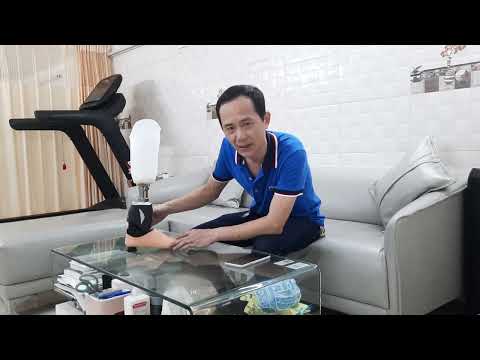
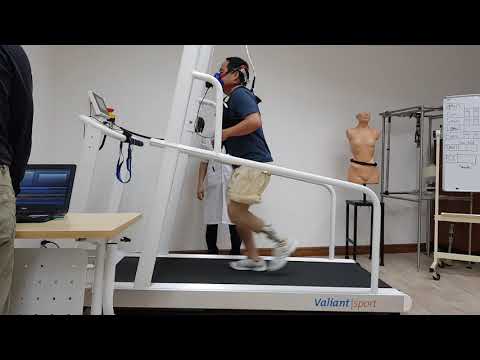


If you or a family member are considering a new or upgraded prosthesis, contact us for an in-person assessment and consultation: +84 985 211 888 (phone / Zalo).
References
- Hahn A, Bueschges S, Prager M, Kannenberg A. The effect of microprocessor controlled exo-prosthetic knees on limited community ambulators: systematic review and meta-analysis. Disabil Rehabil. 2022;44(24):7349–7367. PMID: 34694952.
- Stevens PM, Wurdeman SR. Prosthetic knee selection for individuals with unilateral transfemoral amputation: a clinical practice guideline. J Prosthet Orthot. 2019. PMID: 30662248.
- Kuhlmann A, Krüger H, Seidinger S, Hahn A. Cost-effectiveness and budget impact of the microprocessor-controlled knee C-Leg in transfemoral amputees with and without diabetes mellitus. Eur J Health Econ. 2020;21(3):437–449. PMID: 31897813.
- Kuhlmann A, Hagberg K, Kamrad I, et al. The Kenevo microprocessor-controlled prosthetic knee compared with non-microprocessor-controlled knees in individuals older than 65 years in Sweden. Prosthet Orthot Int. 2022;46(5):414–424. PMID: 35511441.
- Chen C, Hanson M, Chaturvedi R, et al. Economic benefits of microprocessor controlled prosthetic knees: a modeling study. J Neuroeng Rehabil. 2018. PMID: 30255802.
- Gardiner J, Bari AZ, Howard D, Kenney L. Transtibial amputee gait efficiency: energy storage and return versus solid ankle cushioned heel prosthetic feet. J Rehabil Res Dev. 2016;53(6):1133–1138. PMID: 28355033.
- Vanicek N, Huang C, Davie-Smith FC, et al. Prescription of prosthetic ankle-foot mechanisms after major lower limb amputation (protocol). Cochrane Database Syst Rev. 2025;8:CD016076. PMID: 40856180.
- Montgomery JR, Grabowski AM. Use of a powered ankle-foot prosthesis reduces the metabolic cost of uphill walking and improves leg work symmetry in people with transtibial amputations. J R Soc Interface. 2018;15(145):20180442. PMID: 30158189.
- Kim J, Wensman J, Colabianchi N, Gates DH. The influence of powered prostheses on user perspectives, metabolics, and activity: a randomized crossover trial. J Neuroeng Rehabil. 2021;18(1):49. PMID: 33726802.
- Safari MR, Meier MR. Systematic review of effects of current transtibial prosthetic socket designs – Part 1: Qualitative outcomes. J Rehabil Res Dev. 2015;52(5):491–508. PMID: 26436666.
- Safari MR, Meier MR. Systematic review of effects of current transtibial prosthetic socket designs – Part 2: Quantitative outcomes. J Rehabil Res Dev. 2015;52(5):509–526. PMID: 26436733.
- Le H, Guerra G, Sasaki K, Phongphibool S, Smith JD, Wongpanya J, Rakbanboong T, Siriwatsopon J. Oxygen consumption and speed performance of a runner with amputation wearing an elevated vacuum running prosthesis (case report). J Prosthet Orthot. 2021;33(1):73–79.
- Rink C, Wernke MM, Powell HM, et al. Elevated vacuum suspension preserves residual-limb skin health in people with lower-limb amputation: randomized clinical trial. J Rehabil Res Dev. 2016;53(6):1121–1132. PMID: 28355039.
- Rosenblatt NJ, Ehrhardt T. The effect of vacuum assisted socket suspension on prospective, community-based falls by users of lower limb prostheses. Gait Posture. 2017;55:100–104. PMID: 28433866.
- Samitier CB, Guirao L, Costea M, Camós JM, Pleguezuelos E. The benefits of using a vacuum-assisted socket system to improve balance and gait in elderly transtibial amputees. Prosthet Orthot Int. 2016;40(1):83–88.
- CADTH. Elevated vacuum suspension systems for adults with amputation: clinical effectiveness, cost-effectiveness, and guidelines. Rapid Response Report, 2020.
- Baars ECT, Geertzen JHB. Literature review of the possible advantages of silicon liner socket use in trans-tibial prostheses. Prosthet Orthot Int. 2005;29:27–37.
- User experience of transtibial prosthetic liners: a systematic review. Prosthet Orthot Int. 2017;41(1). PMID: 26932981.
- 3D printed transtibial prosthetic sockets: a systematic review. PLoS One. 2022;17(10):e0275161. PMID: 36215238.
- Jensen JS, Nilsen R, Thanh NH, Saldana A, Hartz C. Quality of polypropylene sockets for trans-tibial prostheses in low-income countries. Prosthet Orthot Int. 2006;30(1):45–59. PMID: 16739781.
- Efficacy of rehabilitation after provision of ICRC lower limb prostheses in low-income and middle-income countries. Prosthet Orthot Int. 2024. PMID: 37870366.
- Kunutsor SK, Gillatt D, Blom AW. Systematic review of the safety and efficacy of osseointegration prosthesis after limb amputation. Br J Surg. 2018;105(13):1731–1741. PMID: 30307036.
- Banducci E, Al Muderis M, Lu W, Bested SR. The safety of one-stage versus two-stage approach to osseointegrated prosthesis for limb amputation. Bone Jt Open. 2023;4(7):539–550. PMID: 37475711.
- Consensus statement on the prevention, diagnosis, and management of infection following transcutaneous osseointegration. OTA Int. 2025. PMID: 40071170.
- Dumanian GA, Potter BK, Mioton LM, et al. Targeted muscle reinnervation treats neuroma and phantom pain in major limb amputees: a randomized clinical trial. Ann Surg. 2019;270(2):238–246. PMID: 30371518.
- Valerio IL, Dumanian GA, Jordan SW, et al. Preemptive treatment of phantom and residual limb pain with targeted muscle reinnervation at the time of major limb amputation. J Am Coll Surg. 2019. PMID: 30634038.
- Prophylactic regenerative peripheral nerve interfaces for prevention of postamputation pain: a systematic review and meta-analysis. J Clin Med. 2026. PMID: 42590062.
- Song H, Hsieh TH, Yeon SH, et al. Continuous neural control of a bionic limb restores biomimetic gait after amputation. Nat Med. 2024;30(7):2010–2019. PMID: 38951635.
- Technological advances in prosthesis design and rehabilitation following upper extremity limb loss. Curr Rev Musculoskelet Med. 2020. PMID: 32488625.
- Applications of sensory feedback in motorized upper extremity prosthesis: a review. Expert Rev Med Devices. 2014;11(5):499–511. PMID: 24928327.
Related solutions

Passive vs. Active Vacuum Sockets: What Is the Difference?
A comparison of two vacuum-suspension technologies for prosthetic sockets - the passive one-way valve and the electronically controlled active pump - to help users choose the right solution.
Passive vs. Active Vacuum Sockets: What Is the Difference?
5+ Advantages of Microprocessor Knee Joints
Microprocessor knee joints integrate sensors and a processor to mimic natural movement, boost safety, and reduce fall risk. Learn about their construction and 5+ key advantages, backed by clinical evidence.
5+ Advantages of Microprocessor Knee Joints
4+ Advantages of Hydraulic-Controlled Prosthetic Knee Joints
Hydraulic prosthetic knee joints deliver a more natural gait, greater stability on uneven terrain, and — per research on microprocessor/hydraulic knee technology — a measurable reduction in falls and fear of falling.
4+ Advantages of Hydraulic-Controlled Prosthetic Knee JointsDo you or a loved one need advice?
Book an in-person assessment in Hanoi or send your file for a remote consultation. We reply within 24 hours.